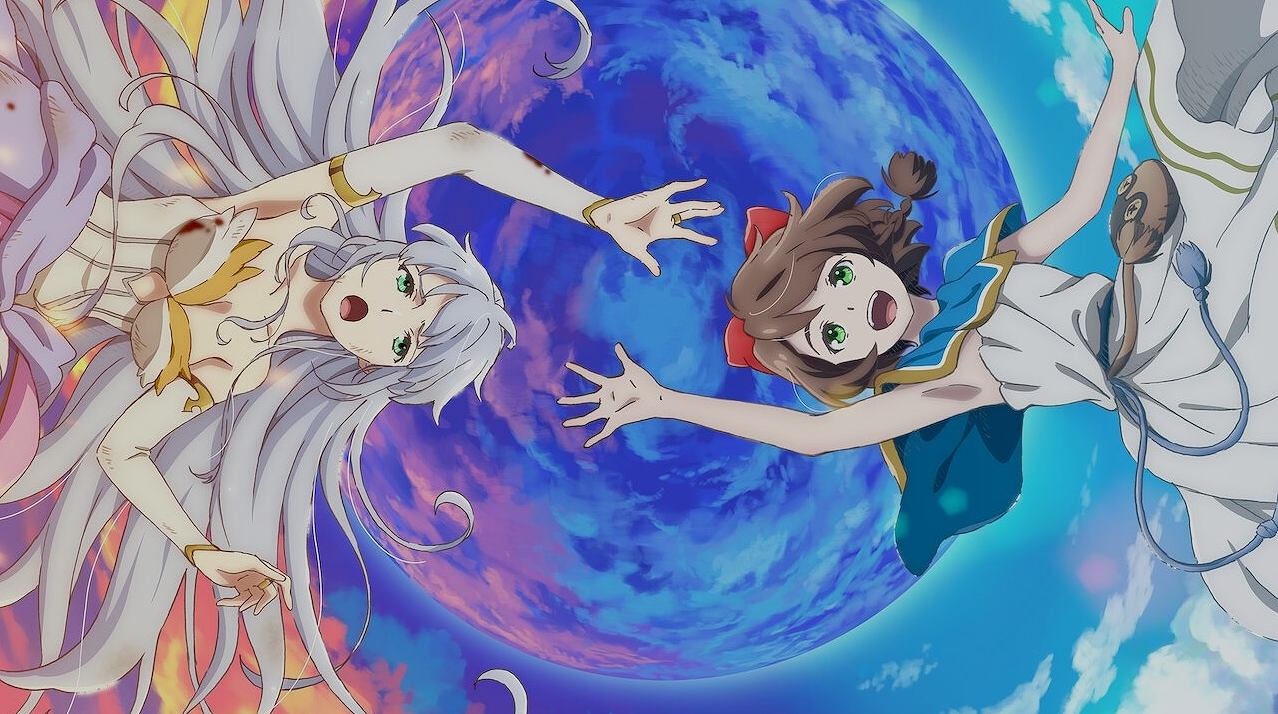

LOST SONG is an anime series that flies under the radar for many anime fans, yet it surprises with a complex plot and intense emotions. The series presents a world where war and song are inextricably linked, as two girls with the power to sing can turn desires into reality. Their story explores the meaning of sacrifice and the line between hope and despair.
Plot Summary (No Spoilers)
In the kingdom of Nunnatia, consumed by war, two girls—Rin and Finis—possess a special power called the Song of Power, which can heal diseases, create objects, or even change fate. Rin is a cheerful girl living in a remote village, dreaming of becoming a singer to bring happiness to those around her. Finis is a court singer who uses her power to serve the king. But behind the brightness of the songs lies a dark secret involving forbidden technology, and the fates of the two girls are intertwined across time.
The series unfolds through two timelines that seem separate but are cleverly connected. Rin and Finis's journeys reveal that the power of song is not only beautiful but also brings loss and betrayal, with characters like Al, a young boy who protects Rin, and Bazura, an ambitious general, driving the story toward unexpected twists.
Performance and Characters
Although animated, the voice acting in LOST SONG is a highlight that brings the characters to life. Yukari Tamura voices Finis with a tone that is both elegant and melancholic, while Konomi Suzuki naturally conveys Rin's brightness. Their singing in key scenes powerfully evokes emotion. Characters like Al (voiced by Misaki Kuno) are the heart of the story, reminding us of hope amid darkness, while Bazura (voiced by Tsuyoshi Koyama) embodies the ambition that drives conflict. However, some side characters are underdeveloped, making them feel like mere cogs in the plot.
Direction, Visuals, and Music
LOST SONG is directed by Masahiko Mori, known for his sci-fi works. The dual-timeline storytelling is clever, though it may confuse viewers at first. The animation by studios LIDENFILMS and DWANGO is beautiful in nature scenes and character designs, though some episodes have stiff movements. Overall, it is decent.
The series' strongest point is its soundtrack and songs performed by the voice actors themselves. Tracks like "LOST SONG" and "Sora no Kanata" perfectly match the story's mood. Music is not just a component but the core that connects every character and event.
Editorial Analysis
LOST SONG is not just a story of girls with magical powers; it questions the relationship between technology and nature and sacrifice for the greater good. The series uses the power of song as a symbol of hope and freedom, contrasting with science used for control and destruction. Rin and Finis's journey reflects the struggle between fate and choice. The twists near the end (especially episodes 10-12) will change viewers' perspectives on the entire story, making a second viewing more meaningful.
However, the first half may be slow and detailed, boring some viewers. Those seeking flashy action may be disappointed, as the series prioritizes emotion and drama. But for those who enjoy complex storytelling and philosophical themes, LOST SONG is a rewarding experience.
Verdict
LOST SONG is a hidden gem in the anime world, perfect for viewers who enjoy complex stories, powerful music, and aren't afraid to question fate. If you're ready to open your heart to songs that are both beautiful and painful, this series will not disappoint.
👍 Pros
- +High-quality soundtrack and songs performed by voice actors, deeply emotional
- +Complex dual-timeline plot with thought-provoking twists
- +Philosophical themes about power, sacrifice, and the meaning of song
👎 Cons
- −Slow pacing in the early episodes, may bore some viewers
- −Inconsistent animation quality in some episodes, especially action scenes
Top Cast





FAQ
LOST SONG has a total of 12 episodes, concluding in one season.
It is an action, adventure, sci-fi anime with drama and mystery.
Yes, music is central to the story, with songs performed by voice actors and themes about the power of song.
The content includes violence and complex dramatic themes, suitable for teenagers and above.